Categorias
Novos produtos
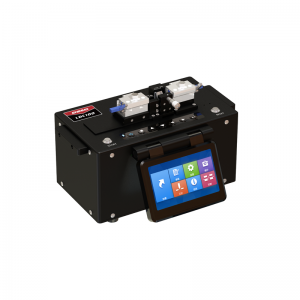
Cortadora de fibra óptica de gran diámetro LDC-100 * Aplicable a fibras de 80 μm ~ 600 μm de diámetro de revestimiento *Bomba de vacío ranura en V conveniente para poner fibra *Cuchilla duradera, vida útil más de 20000 veces *Almacenamiento de datos 4000 grupos * Menú GUI fácil de usar, fácil de operar Mais
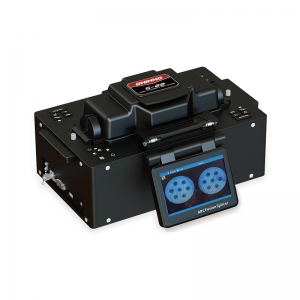
S-22 Multi-Core Fiber Fusion Splicer O 1º S plicer de F usion F usion de Múltiplos Núcleos Totalmente Automático na China Mais
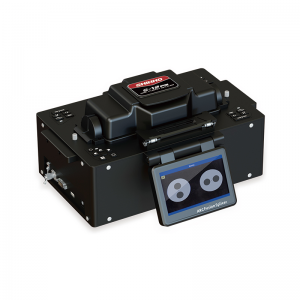
Polarização Manutenção (PM) de Fibra de Fusão, Junção de S-12 * Núcleo para núcleo de alinhamento, baixa perda de emenda * Endview e Perfil de observação e de alinhamento * Arco de calibração automática e emendas PM * fibra de 45 e 90 graus de alinhamento Mais
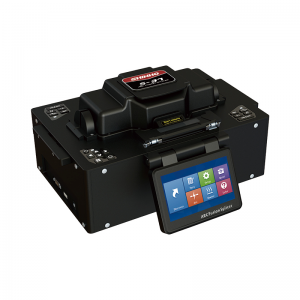
S-37 LDF Specialty Fiber Fusion Splicer SHINHO S-37 é o modelo mais recente que desenvolvemos, pode emendar o diâmetro do revestimento de fibra de 125 a 400μm com baixa perda de emenda. Equipamos a máquina com 3 suportes de fibra diferentes e 2 pares de eletrodos sobressalentes. Mais
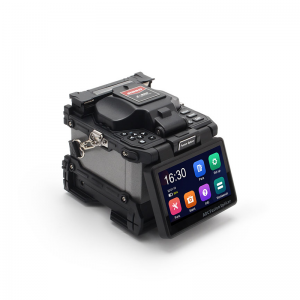
núcleo para core splicer de fusão de fibra de alinhamento x 900 splicer de fusão de seis motores, núcleo real para a tecnologia de alinhamento de núcleo. 6s splicing, 16s heating, identificam os tipos de fibra automaticamente. usado para projetos de wan / man / telecomunicação. Mais
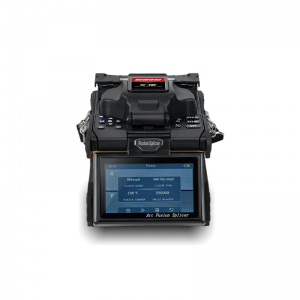
splicer robusto multi-função da fusão do arco s16 design industrial robusto, anti-choque, à prova de poeira e à prova d'água. suporte multifuncional para fibra nua, patch cords, cabo drop etc. emenda rápida e aquecimento, calibração automática de arco. Mais
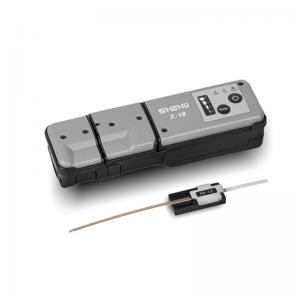
Pelacables térmico de fibra de cinta SHINHO X-18 El pelacables térmico Shinho X-18 es un pelacables térmico manual recientemente desarrollado, especialmente diseñado para el pelado térmico no destructivo de la cubierta del cable plano de hasta 12 fibras. Una herramienta buena y confiable para trabajos de empalme de fibra de cinta. Mais
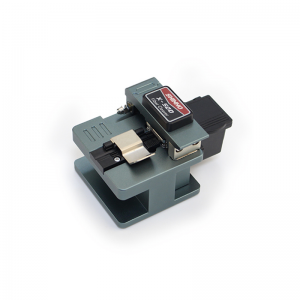
Cuchilla de fibra óptica de alta precisión X-50D Tamaño pequeño y peso ligero, fácil de operar. Alta precisión y rendimiento estable. Más de 48000 tiempos de vida útil de la hoja, longitud de fibra cortada de 5 a 20 mm. material de alta calidad Mais
Aplicações e futuro das fibras ópticas de revestimento fino na área médica.
Nos últimos anos, fibras ópticas com diâmetros de revestimento menores — como
40 µm, 50 µm e 60 µm
—têm atraído cada vez mais atenção no setor de tecnologia médica. Comparadas com as fibras ópticas convencionais com
Revestimento de 125 µm
Essas fibras menores oferecem maior flexibilidade, menor invasividade e melhor integração em dispositivos médicos compactos. À medida que a medicina minimamente invasiva continua a crescer, as fibras ópticas de pequeno diâmetro estão se tornando uma importante tecnologia facilitadora.
Uma das aplicações mais comuns é
Litotripsia a laser em urologia
Em procedimentos usados para tratar cálculos renais, os médicos inserem um endoscópio flexível pelo trato urinário e liberam energia laser através de uma fina fibra óptica para fragmentar os cálculos em pequenos pedaços. Lasers como o Holmium:YAG e o Thulium Fiber Laser utilizam fibras ópticas para fornecer energia com precisão. Fibras menores permitem que o endoscópio mantenha maior flexibilidade e possibilitam que os cirurgiões alcancem cálculos localizados em trajetos anatômicos mais estreitos ou complexos.
Outra aplicação importante é o tratamento de doenças vasculares, como varizes. Uma técnica minimamente invasiva conhecida como ablação endovenosa a laser utiliza uma fibra óptica inserida na veia afetada. A energia do laser aquece a parede do vaso, fazendo com que ele se feche e seja absorvido pelo organismo. Fibras ópticas finas ajudam a reduzir o trauma durante a inserção e permitem que os médicos naveguem por pequenos vasos sanguíneos com mais facilidade.
Fibras ópticas de pequeno diâmetro também são utilizadas em procedimentos neurológicos avançados. Em técnicas como a Terapia Térmica Intersticial a Laser, uma sonda a laser muito fina é inserida no tecido cerebral para destruir com precisão tumores ou tecido anormal. Como as estruturas cerebrais são extremamente delicadas, fibras menores são preferíveis, pois minimizam os danos ao tecido circundante, ao mesmo tempo que proporcionam uma administração de energia precisa.
Em oncologia, as fibras ópticas desempenham um papel fundamental em tratamentos baseados em luz, como a Terapia Fotodinâmica. Nessa terapia, um fármaco fotossensível se acumula nas células cancerígenas e é ativado pela luz transmitida através de uma fibra óptica. A reação resultante destrói as células-alvo, preservando o tecido saudável. Fibras ópticas de pequeno diâmetro facilitam a transmissão de luz através de endoscópios para órgãos como pulmões, esôfago ou bexiga.
Olhando para o futuro, espera-se que a demanda por fibras ópticas com revestimento fino cresça juntamente com o desenvolvimento de
cirurgia minimamente invasiva, sistemas de cirurgia robótica e instrumentos endoscópicos avançados.
À medida que os dispositivos médicos se tornam cada vez menores e mais precisos, a necessidade de fibras ópticas flexíveis e de alto desempenho aumentará. Embora esse mercado seja menor que o da indústria de fibras ópticas para telecomunicações, ele se caracteriza por
Requisitos técnicos elevados e excelente relação custo-benefício.
, tornando-se um nicho importante dentro do ecossistema mais amplo da fibra óptica.
Em resumo, as fibras ópticas de pequeno diâmetro estão possibilitando novas áreas na medicina moderna — desde o tratamento de cálculos renais até a terapia do câncer. À medida que a tecnologia na área da saúde avança em direção a procedimentos menos invasivos e mais precisos, essas fibras especializadas desempenharão um papel cada vez mais crucial nas futuras inovações médicas.

Seja bem-vindo a registrar o boletim informativo, se você tiver algum interesse em nossos produtos, vamos mantê-lo informado de nossas notícias, informações sobre produtos e promoções, se houver algum.
© Copyright: SHINHO OPTICS LIMITED Todos os direitos reservados.


 português
 English
 français
 русский
 italiano
 español
 العربية
 ไทย
ไทย हिन्दी
 Indonesia
 中文
中文