Categorias
Novos produtos
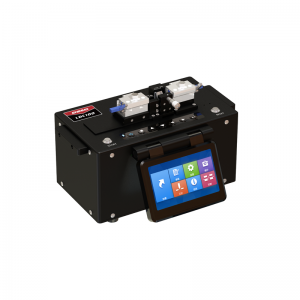
Cortadora de fibra óptica de gran diámetro LDC-100 * Aplicable a fibras de 80 μm ~ 600 μm de diámetro de revestimiento *Bomba de vacío ranura en V conveniente para poner fibra *Cuchilla duradera, vida útil más de 20000 veces *Almacenamiento de datos 4000 grupos * Menú GUI fácil de usar, fácil de operar Mais
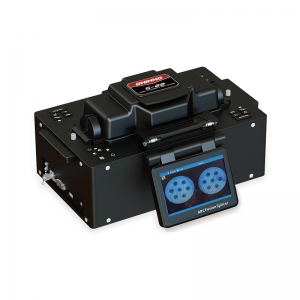
S-22 Multi-Core Fiber Fusion Splicer O 1º S plicer de F usion F usion de Múltiplos Núcleos Totalmente Automático na China Mais
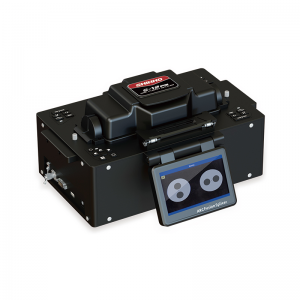
Polarização Manutenção (PM) de Fibra de Fusão, Junção de S-12 * Núcleo para núcleo de alinhamento, baixa perda de emenda * Endview e Perfil de observação e de alinhamento * Arco de calibração automática e emendas PM * fibra de 45 e 90 graus de alinhamento Mais
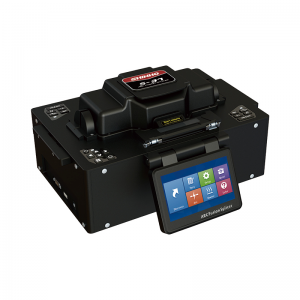
S-37 LDF Specialty Fiber Fusion Splicer SHINHO S-37 é o modelo mais recente que desenvolvemos, pode emendar o diâmetro do revestimento de fibra de 125 a 400μm com baixa perda de emenda. Equipamos a máquina com 3 suportes de fibra diferentes e 2 pares de eletrodos sobressalentes. Mais
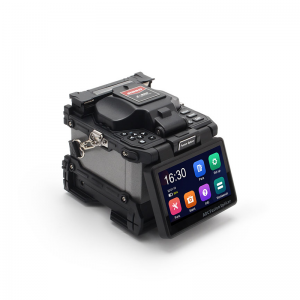
núcleo para core splicer de fusão de fibra de alinhamento x 900 splicer de fusão de seis motores, núcleo real para a tecnologia de alinhamento de núcleo. 6s splicing, 16s heating, identificam os tipos de fibra automaticamente. usado para projetos de wan / man / telecomunicação. Mais
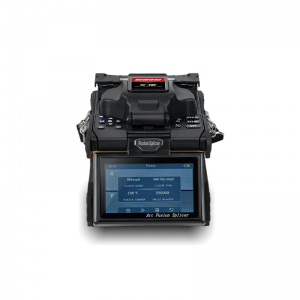
splicer robusto multi-função da fusão do arco s16 design industrial robusto, anti-choque, à prova de poeira e à prova d'água. suporte multifuncional para fibra nua, patch cords, cabo drop etc. emenda rápida e aquecimento, calibração automática de arco. Mais
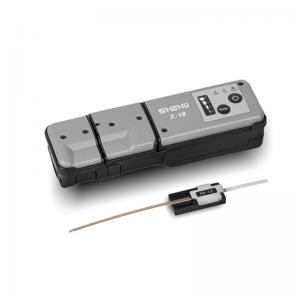
Pelacables térmico de fibra de cinta SHINHO X-18 El pelacables térmico Shinho X-18 es un pelacables térmico manual recientemente desarrollado, especialmente diseñado para el pelado térmico no destructivo de la cubierta del cable plano de hasta 12 fibras. Una herramienta buena y confiable para trabajos de empalme de fibra de cinta. Mais
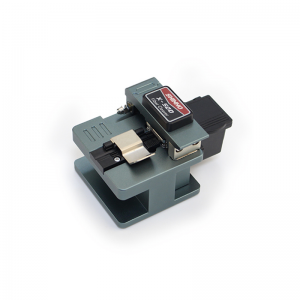
Cuchilla de fibra óptica de alta precisión X-50D Tamaño pequeño y peso ligero, fácil de operar. Alta precisión y rendimiento estable. Más de 48000 tiempos de vida útil de la hoja, longitud de fibra cortada de 5 a 20 mm. material de alta calidad Mais
Fibra óptica de núcleo oco em enlaces de comunicação de alta qualidade
As ligações de comunicação de alta gama são definidas por requisitos de desempenho extremos — latência ultrabaixa, capacidade ultra-alta e estabilidade excepcional. Os cenários típicos incluem redes de negociação financeira, infraestrutura de backbone de longa distância, interconexões de centros de dados hiperescaláveis e comunicações emergentes de clusters de IA.
Durante décadas, fibras convencionais como a fibra monomodo G.652 e a fibra G.654 têm sustentado o sistema global de comunicações. Embora as melhorias contínuas nas tecnologias de atenuação, dispersão e amplificação (por exemplo, sistemas DWDM) tenham aumentado significativamente a capacidade de transmissão, essas fibras permanecem fundamentalmente limitadas pelas propriedades físicas da sílica. Em particular, a latência e os efeitos não lineares impõem limites rígidos à escalabilidade do desempenho.
A fibra de núcleo oco (HCF) introduz um mecanismo de guia fundamentalmente diferente, confinando a luz dentro de um núcleo em forma de cone, em vez de vidro sólido. Essa mudança traz diversas vantagens cruciais:
• Latência aproximadamente 30% menor devido à velocidade de propagação da luz próxima ao vácuo
• Redução drástica dos efeitos não lineares, permitindo maior potência de lançamento
• Maior potencial de expansão da capacidade por meio de multiplexação avançada
Essas características tornam o HCF especialmente atraente para aplicações de latência ultrabaixa, como negociação de alta frequência e interconexões sensíveis à latência entre grandes centros de dados. Nesses ambientes, mesmo microssegundos de melhoria podem se traduzir em ganhos econômicos ou computacionais mensuráveis.
Além dos casos de uso focados em baixa latência, a HCF também demonstra grande potencial em redes backbone de alta capacidade. Ao mitigar as distorções não lineares, ela permite uma utilização mais eficiente do espectro óptico e maior taxa de transferência total por fibra. Paralelamente, provedores de nuvem hiperescaláveis, como Amazon e Google, estão explorando cada vez mais interconexões ópticas de baixa latência para otimizar o desempenho da computação distribuída e do treinamento de IA.
No entanto, apesar de suas vantagens, não se espera que a fibra de alto desempenho (HCF) substitua as fibras convencionais em todas as camadas da rede. Desafios como o custo mais elevado, a complexidade de fabricação e os requisitos mais rigorosos para emendas e manuseio continuam sendo barreiras significativas. Em implantações com restrições de custo — particularmente em redes de acesso baseadas em G.652 e fibras insensíveis à curvatura — as soluções tradicionais continuarão a predominar.
Em vez disso, é provável que a arquitetura de rede futura se torne mais estratificada:
• Fibra de núcleo oco para ligações de alto valor e desempenho crítico
• Fibras de núcleo sólido avançadas (por exemplo, G.654) para transmissão de longa distância em redes backbone.
• Fibras monomodo padrão para redes de acesso e metropolitanas
Em conclusão, a fibra de núcleo oco não deve ser vista como uma substituta universal, mas sim como uma atualização estratégica para os segmentos mais exigentes da comunicação óptica.

Seja bem-vindo a registrar o boletim informativo, se você tiver algum interesse em nossos produtos, vamos mantê-lo informado de nossas notícias, informações sobre produtos e promoções, se houver algum.
© Copyright: SHINHO OPTICS LIMITED Todos os direitos reservados.


 português
 English
 français
 русский
 italiano
 español
 العربية
 ไทย
ไทย हिन्दी
 Indonesia
 中文
中文