Categorias
Novos produtos
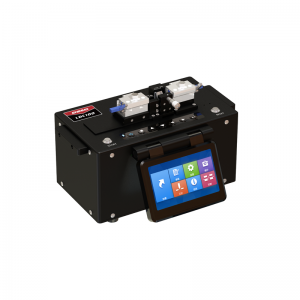
Cortadora de fibra óptica de gran diámetro LDC-100 * Aplicable a fibras de 80 μm ~ 600 μm de diámetro de revestimiento *Bomba de vacío ranura en V conveniente para poner fibra *Cuchilla duradera, vida útil más de 20000 veces *Almacenamiento de datos 4000 grupos * Menú GUI fácil de usar, fácil de operar Mais
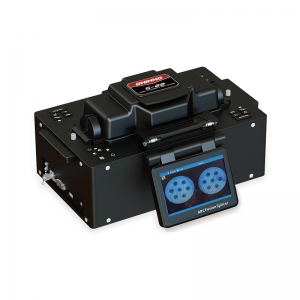
S-22 Multi-Core Fiber Fusion Splicer O 1º S plicer de F usion F usion de Múltiplos Núcleos Totalmente Automático na China Mais
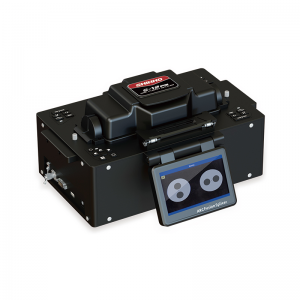
Polarização Manutenção (PM) de Fibra de Fusão, Junção de S-12 * Núcleo para núcleo de alinhamento, baixa perda de emenda * Endview e Perfil de observação e de alinhamento * Arco de calibração automática e emendas PM * fibra de 45 e 90 graus de alinhamento Mais
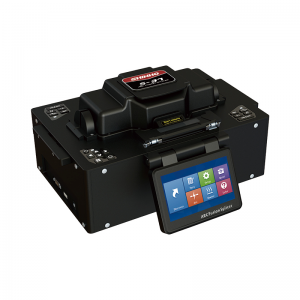
S-37 LDF Specialty Fiber Fusion Splicer SHINHO S-37 é o modelo mais recente que desenvolvemos, pode emendar o diâmetro do revestimento de fibra de 125 a 400μm com baixa perda de emenda. Equipamos a máquina com 3 suportes de fibra diferentes e 2 pares de eletrodos sobressalentes. Mais
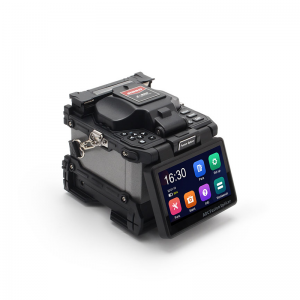
núcleo para core splicer de fusão de fibra de alinhamento x 900 splicer de fusão de seis motores, núcleo real para a tecnologia de alinhamento de núcleo. 6s splicing, 16s heating, identificam os tipos de fibra automaticamente. usado para projetos de wan / man / telecomunicação. Mais
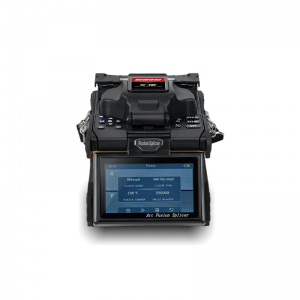
splicer robusto multi-função da fusão do arco s16 design industrial robusto, anti-choque, à prova de poeira e à prova d'água. suporte multifuncional para fibra nua, patch cords, cabo drop etc. emenda rápida e aquecimento, calibração automática de arco. Mais
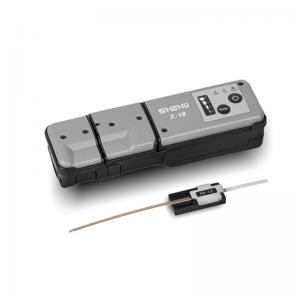
Pelacables térmico de fibra de cinta SHINHO X-18 El pelacables térmico Shinho X-18 es un pelacables térmico manual recientemente desarrollado, especialmente diseñado para el pelado térmico no destructivo de la cubierta del cable plano de hasta 12 fibras. Una herramienta buena y confiable para trabajos de empalme de fibra de cinta. Mais
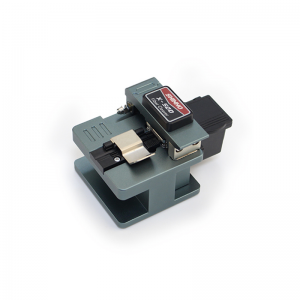
Cuchilla de fibra óptica de alta precisión X-50D Tamaño pequeño y peso ligero, fácil de operar. Alta precisión y rendimiento estable. Más de 48000 tiempos de vida útil de la hoja, longitud de fibra cortada de 5 a 20 mm. material de alta calidad Mais
Fibra de núcleo oco em sistemas a laser: uma nova opção além das fibras convencionais.
À medida que os sistemas laser continuam a evoluir em direção a maior potência, larguras de linha mais estreitas e durações de pulso mais curtas, as fibras ópticas tradicionais de núcleo sólido estão gradualmente se aproximando de seus limites físicos. Efeitos não lineares, como SBS, SRS e automodulação de fase, restringem cada vez mais as melhorias de desempenho. Nesse contexto, Fibra de núcleo oco (HCF) surgiu como uma opção promissora e estratégica para arquiteturas de laser de próxima geração.
Ao contrário das fibras convencionais, onde a luz se propaga através da sílica, as fibras ocas guiam a luz predominantemente no ar. Essa diferença fundamental leva a Redução drástica da não linearidade óptica e maior capacidade de gerenciamento de potência de pico. , tornando o HCF especialmente atraente para lasers de pulso ultracurto (ps/fs), sistemas de largura de linha estreita, combinação coerente de feixes e aplicações científicas ou de defesa avançadas.
No entanto, a adoção de HCF não se resume simplesmente a substituir uma fibra por outra. Do ponto de vista da fabricação e integração, emenda de fibra A clivagem e a qualidade da face final tornam-se fatores críticos em nível de sistema. em vez de processos de rotina.
Em sistemas de laser de pulso ultracurto, a potência de pico pode ser várias ordens de magnitude maior que a potência média. Qualquer imperfeição — microfissuras, contaminação, incompatibilidade de modos ou colapso estrutural no ponto de emenda — pode desencadear uma falha imediata. Da mesma forma, a baixa qualidade da clivagem ou defeitos submicrométricos na face final da fibra podem levar ao aumento localizado do campo, ruptura dielétrica no ar ou danos catastróficos durante a operação.
É aqui que equipamentos especializados para processamento de fibras desempenha um papel decisivo.
As máquinas de fusão avançadas, projetadas para fibras especiais, juntamente com clivadores de alta precisão otimizados para fibras microestruturadas e de grande campo modal, são essenciais para garantir:
Transição estável do campo modal
distorção estrutural mínima
Alta repetibilidade e confiabilidade a longo prazo
À medida que a HCF passa das demonstrações em laboratório para produtos a laser reais, O gargalo não é mais apenas o projeto da fibra, mas também a eficiência com que a fibra pode ser processada, integrada e mantida. .
Olhando para o futuro, é improvável que a fibra de núcleo oco substitua as fibras convencionais nos principais sistemas de laser CW industriais em um futuro próximo. Em vez disso, seu futuro reside em... aplicações de laser de alta performance e ponta Em sistemas onde ultrapassar os limites físicos justifica maior complexidade e custo, a junção e a clivagem confiáveis não são opcionais — são a base da estabilidade do sistema.
Para fabricantes e prestadores de serviços de laser, investir hoje em soluções adequadas de processamento de fibra significa estar preparado para as tecnologias de laser do futuro.

Seja bem-vindo a registrar o boletim informativo, se você tiver algum interesse em nossos produtos, vamos mantê-lo informado de nossas notícias, informações sobre produtos e promoções, se houver algum.
© Copyright: SHINHO OPTICS LIMITED Todos os direitos reservados.


 português
 English
 français
 русский
 italiano
 español
 العربية
 ไทย
ไทย हिन्दी
 Indonesia
 中文
中文