Categorias
Novos produtos
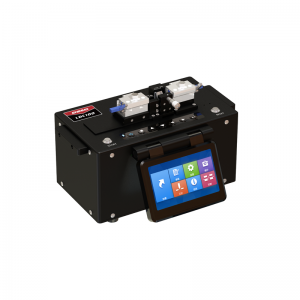
Cortadora de fibra óptica de gran diámetro LDC-100 * Aplicable a fibras de 80 μm ~ 600 μm de diámetro de revestimiento *Bomba de vacío ranura en V conveniente para poner fibra *Cuchilla duradera, vida útil más de 20000 veces *Almacenamiento de datos 4000 grupos * Menú GUI fácil de usar, fácil de operar Mais
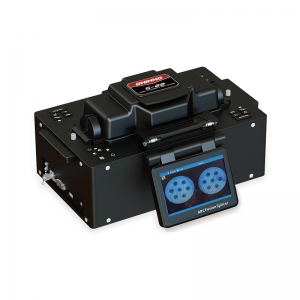
S-22 Multi-Core Fiber Fusion Splicer O 1º S plicer de F usion F usion de Múltiplos Núcleos Totalmente Automático na China Mais
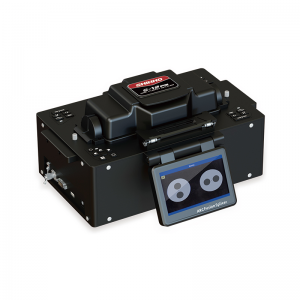
Polarização Manutenção (PM) de Fibra de Fusão, Junção de S-12 * Núcleo para núcleo de alinhamento, baixa perda de emenda * Endview e Perfil de observação e de alinhamento * Arco de calibração automática e emendas PM * fibra de 45 e 90 graus de alinhamento Mais
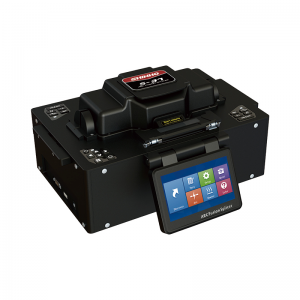
S-37 LDF Specialty Fiber Fusion Splicer SHINHO S-37 é o modelo mais recente que desenvolvemos, pode emendar o diâmetro do revestimento de fibra de 125 a 400μm com baixa perda de emenda. Equipamos a máquina com 3 suportes de fibra diferentes e 2 pares de eletrodos sobressalentes. Mais
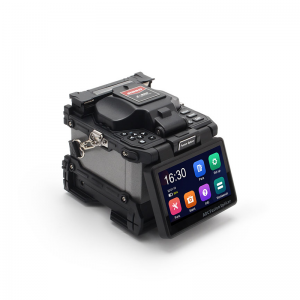
núcleo para core splicer de fusão de fibra de alinhamento x 900 splicer de fusão de seis motores, núcleo real para a tecnologia de alinhamento de núcleo. 6s splicing, 16s heating, identificam os tipos de fibra automaticamente. usado para projetos de wan / man / telecomunicação. Mais
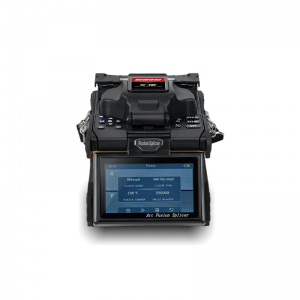
splicer robusto multi-função da fusão do arco s16 design industrial robusto, anti-choque, à prova de poeira e à prova d'água. suporte multifuncional para fibra nua, patch cords, cabo drop etc. emenda rápida e aquecimento, calibração automática de arco. Mais
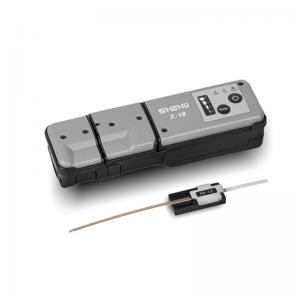
Pelacables térmico de fibra de cinta SHINHO X-18 El pelacables térmico Shinho X-18 es un pelacables térmico manual recientemente desarrollado, especialmente diseñado para el pelado térmico no destructivo de la cubierta del cable plano de hasta 12 fibras. Una herramienta buena y confiable para trabajos de empalme de fibra de cinta. Mais
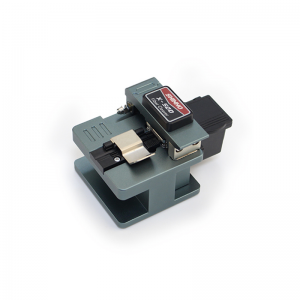
Cuchilla de fibra óptica de alta precisión X-50D Tamaño pequeño y peso ligero, fácil de operar. Alta precisión y rendimiento estable. Más de 48000 tiempos de vida útil de la hoja, longitud de fibra cortada de 5 a 20 mm. material de alta calidad Mais
Fiber Optic Recoating Machine: A Key Process Equipment for High-Reliability Fiber Systems
A fiber optic recoating machine is a specialized device used to restore the protective coating of optical fibers. It is mainly applied after fiber stripping, splicing, or repair processes. By using UV-curable materials, it re-applies a protective layer to bare fiber, restoring its mechanical strength and environmental resistance close to the original level.
In modern fiber optic communication, fiber laser systems, and fiber sensing applications, stripped fiber becomes extremely fragile. Without proper protection, it is highly susceptible to breakage, micro-bending loss, and long-term reliability issues. Therefore, the recoating process has become an essential step in high-reliability fiber systems.
During fiber splicing or repair, the original coating must be removed to allow precise alignment and fusion splicing. However, once the coating is removed, the bare fiber has several critical weaknesses:
· Significantly reduced mechanical strength
· Extremely sensitive to bending and tension
· Poor long-term reliability
· Vulnerable to moisture and contamination
A fiber recoating machine solves this problem by using a mold-forming process combined with UV curing to recreate the protective coating, restoring a stable and durable fiber structure.
In high-power fiber laser systems (especially kilowatt-level and above), optical fibers operate under extremely high energy density for long periods. Without proper recoating protection, splice points or repaired sections may suffer from:
· Thermal damage
· Fiber breakage
· Reduced long-term stability
Therefore, recoating machines are widely used in fiber laser manufacturing and repair, serving as a critical process to ensure system reliability.
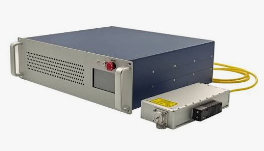
In distributed acoustic sensing (DAS), fiber optic gyroscopes (FOG), and fiber Bragg grating (FBG) systems, the optical fiber itself acts as the sensing medium.
Since signal accuracy depends heavily on fiber integrity, even minor mechanical damage or stress changes can affect measurement performance. Recoating ensures long-term stability and consistency of sensing systems.
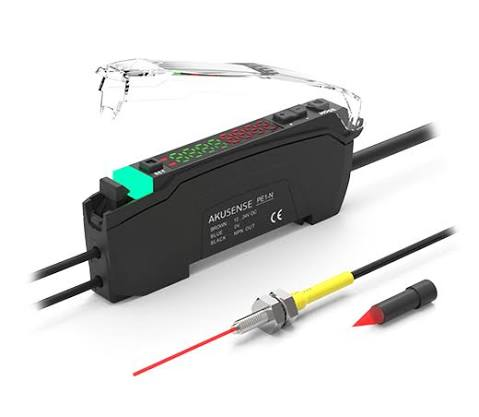
In military, aerospace, and anti-interference communication systems, optical fibers often operate in harsh environments such as vibration, temperature extremes, and strong electromagnetic interference.
These applications demand extremely high reliability, and fiber recoating significantly improves mechanical robustness and environmental resistance, making it an essential process for mission-critical communication links.

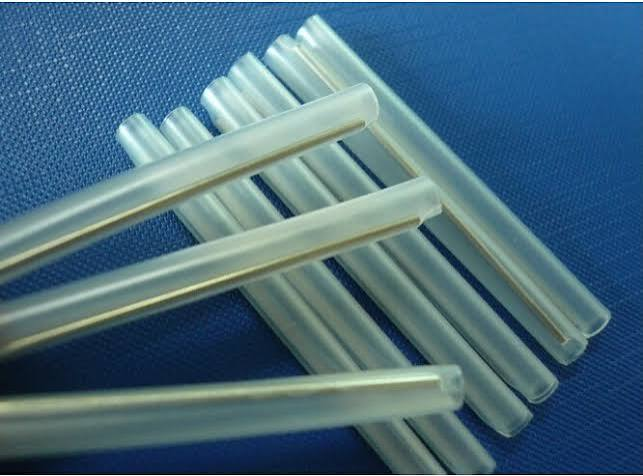
In practical engineering, heat shrink tubes are sometimes used as a low-cost alternative. However, the two methods are fundamentally different:
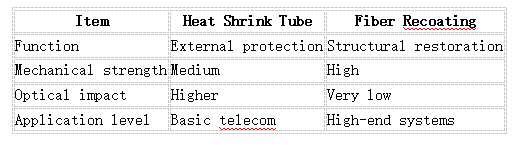
In simple terms: heat shrink provides protection, while recoating restores the fiber structure.
With the continuous development of fiber optic technology toward higher power, higher precision, and more specialized applications, the importance of recoating technology is increasing. Key trends include:
Higher laser power requires stronger and more reliable fiber structures, making recoating quality critical to system lifetime and safety.
Technologies such as DAS are being widely adopted in energy, transportation, and security sectors, requiring long-term stable operation.
Emerging fibers such as polarization-maintaining (PM) fiber and hollow-core fiber require more precise repair and protection processes.
Although a fiber optic recoating machine does not directly participate in signal transmission or laser output, it plays a critical role in restoring and protecting optical fibers within high-performance systems.
Its value can be summarized as follows:
In high-end fiber systems, long-term reliability is not determined only by the fiber itself, but by how well it is restored and protected after splicing.
As fiber laser, fiber sensing, and specialty fiber technologies continue to evolve, fiber recoating machines will play an increasingly important role in ensuring system stability and reliability across advanced applications.

Seja bem-vindo a registrar o boletim informativo, se você tiver algum interesse em nossos produtos, vamos mantê-lo informado de nossas notícias, informações sobre produtos e promoções, se houver algum.
© Copyright: SHINHO OPTICS LIMITED Todos os direitos reservados.


 português
 English
 français
 русский
 italiano
 español
 العربية
 ไทย
ไทย हिन्दी
 Indonesia
 中文
中文